Hashma Stone: Egypt's Most Popular Building Facade Material
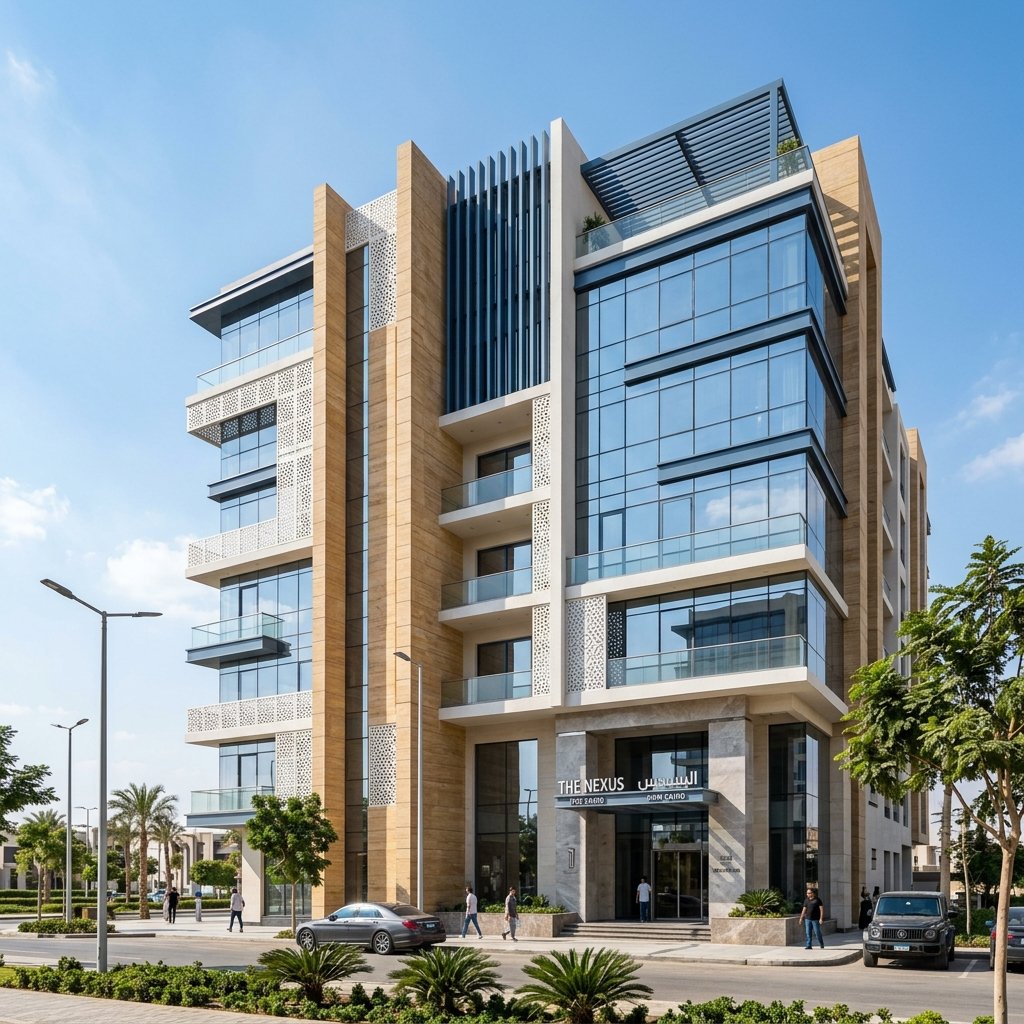
Drive through any newer Egyptian city and one facade material dominates: Hashma stone. Quarried in Egypt and used here for decades, it remains the default choice for villa and residential-building elevations — for good reasons and with real pitfalls. This guide covers what owners should know before signing a facade contract.
What Hashma stone is
Hashma is an Egyptian sandstone named after the Hashma area where it is quarried. It is cut into tiles and special pieces for facade cladding, in warm cream, beige and yellowish tones that suit the Egyptian light and dust environment far better than darker stones.
Types and grades you will be offered
- Hashma 'Haissam' (الهيصم): the premium, denser selection with the most uniform color — the reference grade for high-end facades.
- First-grade (فرز أول): good uniformity with minor natural variation; the common choice for quality residential work.
- Second-grade (فرز تاني): wider color variation and more natural defects; acceptable where budget rules, but expect visible patchiness.
- Special cuts and decorative pieces: sills, cornices, frames and engraved panels that give the facade its character.
What actually drives the price
Two Hashma quotations can differ widely while both honestly say 'Hashma stone'. The drivers are: the grade (Haissam vs first vs second), tile thickness, surface finish (sawn, bush-hammered, polished edges), the amount of decorative cut-work, and — critically — the fixing system. Always compare quotations line by line on these five items, never on the square-meter headline alone.
Installation: where facades succeed or fail
The classic failure story is stone tiles detaching within a few years. The cause is almost never the stone — it is the fixing. Sound practice includes: full-coverage mortar bedding appropriate to the tile size and weight, mechanical fixing (pins/anchors) for larger formats and upper floors, properly executed expansion and movement joints, and pointing that seals water out. On coastal projects like Hurghada, fixing materials must also tolerate salt-laden air.
Maintenance is minimal — but not zero
A well-installed Hashma facade asks for little: occasional washing, and inspection of joints after the first years. Owners who skip joint maintenance let water behind the stone, and water behind the stone is how detachment stories begin.
Al Mansour offers facade cladding in natural Hashma stone, including combinations with GRC panels. If you are comparing facade options, we can quote grade-by-grade, so the comparison is honest.